Bosom Buddies: Nurturing Breast Cancer Awareness for a Healthier You
It’s Breast Cancer Awareness Month! And with… Well, 100% of us having breasts (yes, the guys too!), we reckon it’s a pretty good time to delve into some information about them so we all
know how to spot early the signs that something’s not right.
Breast cancer awareness is one thing. But knowing ABOUT the disease and knowing how to care for and examine yourself to ensure you’re as healthy as possible are two different things! Roughly 150 new cases of breast cancer are diagnosed every day in the UK alone. About 10% of those will pass away within the year… But the survival rate past 10 years is 76% if diagnosed early. Let’s dive into some ways you can get ahead of things NOW.
Early Detection and Self-Examination
Self-examination can be tricky. We all think we know our own body, but we don’t really want to
get too paranoid… Which means many of us just kind of neglect it so we don’t have to think about the possibilities!
But self-examination is the key to early detection. And early detection is the biggest factor in surviving—when discovered early before it’s spread, the survival rate for 5 years or longer is 99%. Once it’s spread to the surrounding lymph nodes, the survival rate drops to 86%, which is still pretty good… But that means 13% of people could’ve lived if they’d detected it earlier.
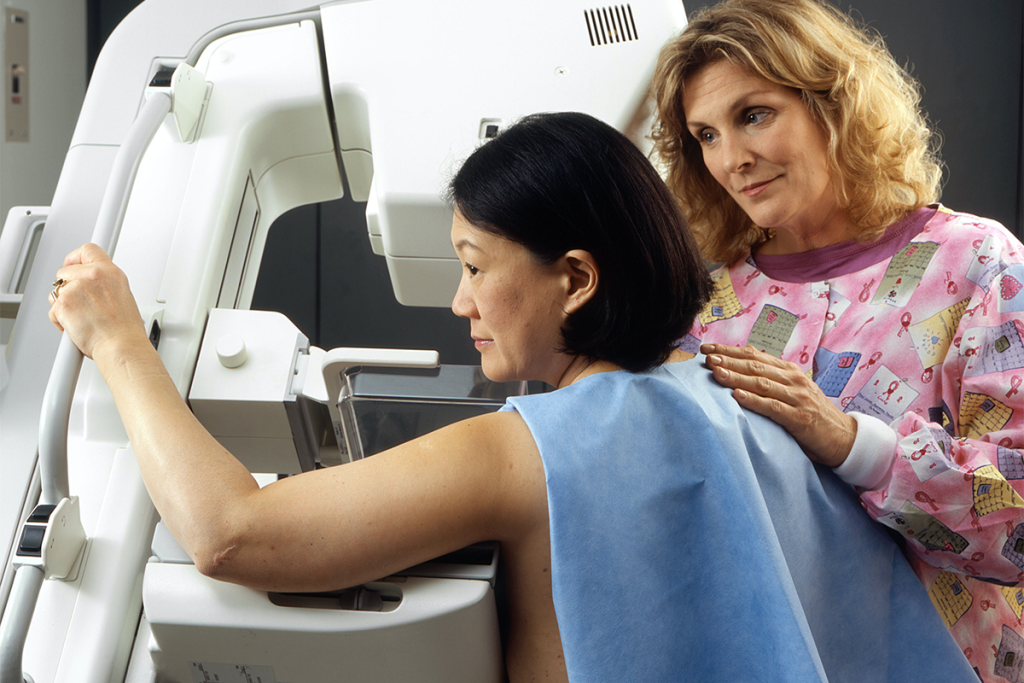
And while annual mammograms can be a huge help, self-examination is the first step. Because instead of waiting months for your yearly appointment, you might be able to knock months off your diagnosis date and get the early treatment that’s so necessary.

Debunking Myths About Breast Self-Examination
So, let’s get into some myths about breast self-examination. You may have heard people throwing these ideas out there, but when your survival could depend on it… Let’s get down to the truth of the matter.
Myth #1: Only Older Women Need to Perform Breast Self-Examination
Cancer doesn’t care how old you are. Anyone from teens to geriatrics can develop cancerous cells, so you should be checking out your breasts from as young an age as possible. Ladies, teach your teenage daughters to do it!
It’s true that the risk of developing breast cancer increases as you get older. But that doesn’t mean the risk isn’t there when you’re younger… And that “early detection” thing is relevant no matter your age.
Myth #2: Breast Cancer is Always Painful and Easy to Detect
One of the hardest things to swallow about breast cancer is that it isn’t always very noticeable, even in your self-examinations. Lumps aren’t always painful. You don’t always feel pressure. There may be hardly any symptoms… But it could be there. This is why self-examination is so vital. Don’t assume that because you haven’t got pain, discomfort, or a noticeable bump or lump, you’re all good. Giving yourself a good checking-out can help you find small but dangerous things before they become big, life-threatening things.
Myth #3: Only Women Can Get Breast Cancer
Fact: men have breast tissue too. Theirs doesn’t grow quite the same way women’s does, but
men can get breast cancer as well. It’s not as common—for every 55,000 women who develop it, about 400 men will. But this is significant enough for us to say with confidence that men should do regular breast-
checks as well. It might be taboo, but let’s face it—if you’re going to get it, you want to detect it
ASAP, whether you’re a guy or a gal.
Myth #4: If Your Breasts Feel Lump-Free, You’re In the Clear
No lumps doesn’t mean no cancer! Some people assume that if you don’t feel any lumps, you’re all good, cancer-free, and healthy, so… No need for a mammogram, right? Sorry to tell you, but wrong!
Not ALL issues can be detected by feel. Sure, some can—which is why we highly recommend self-examining often. But don’t neglect those annual doctors’ checks and mammograms—they can still pick up things that you can’t.
Myth #5: You Can’t Detect Anything on Your Own, So Self-Examination is Pointless
So, if self-examination isn’t foolproof, then why do it in the first place? We get it—it can be a drag to spend time every day or other day feeling yourself up. But even if you aren’t feeling everything, self-examination does do one very helpful thing—it increases your own self-awareness and mind-body connection. The more you do it, the easier it’ll be for you to notice when something doesn’t quite feel right. And that’s a valuable skill to have, especially when it comes to early detection (of anything!).
Step-By-Step Guide to Breast Self-Examination
Okay, so how do you examine yourself properly? How do you know you’re doing it the right way and not just fluffing around and missing the point? Here’s a quick guide to breast self examination—learn it and do it!
1. Visual Examination: Inspect your breasts and notice if anything has changed visually. Look at size, proportion, shape, colour, and texture. Use a mirror to help you see them from different angles and cover all bases.
2. Standing Examination: You can do this in the shower or wherever suits you! Lift one arm above your head and use the first 3 fingers of the opposite hand to check your breast and armpit for lumps, hard areas, pain, or anything else unusual. Press with enough pressure to feel what’s under the surface, but not hard enough to hurt yourself. Switch arms/hands and repeat.
3. Lying Examination: Lie on your back on a comfortable surface. Raise one arm above your head and use the opposite hand to feel the breast and armpit gently, making sure to cover every inch. Switch and repeat.
Don’t forget to check the armpits and the nipples. Squeeze your nipples gently to check for discharge, and use light, medium, and quite firm pressure to perform a thorough exam.

How Often Should You Examine Yourself?
You can technically check as often as you want to, but there’s more of an art to it than you might realize. It’s generally recommended to do a self-examination once a month, 3 to 5 days after your period starts for the ladies.
Whether you’re a guy or a girl, you should try to be consistent here. Guys, you won’t be subject to a monthly cycle, so pick a day every month to be your self-checking day. Ladies, your day might change month to month, but pick a specific day like 3 days after your period starts, and stick to that every month.
When to Seek Medical Attention
Found something you’re worried about during your self-examination? Here are some potential signs and symptoms that you should double-check with a doctor.
● A lump that wasn’t there before
● Swelling or thickening in the tissue
● Noticeable change in the shape of your breast
● Discharge from the nipple (excluding breast milk)
● Dimpling of the skin on the breast or nipple
● Pain in the breast tissue
Conclusion
Breast Cancer Awareness Month aims to boost awareness not just that the disease exists, but of the fact that it could affect YOU or someone you love. It doesn’t take long to learn how to do a self-examination, and all you need to do is spend a few minutes every month checking yourself out.
Believe us—those few minutes could be the thing that ends up saving your life. Add this into your self-care routine and stay healthier for longer. Plus, the self-awareness you gain from this simple exercise will serve you well as you learn to be more in touch with your own body.
WRITTEN BY
Share This Story
DISCLAIMER: We always aim to credit the original source of every image we include in our content. If you think a credit may be incorrect, please get in touch at marketing@cohorted.co.uk.