Hair Care Myths (and What to Do Instead)
Ladies (and hair-conscious dudes out there!), there’s a ton of misinformation out there about how to take care of your hair properly. Hair care myths are rife! Which makes it difficult to know exactly what you should or shouldn’t be doing to keep your hair luscious and healthy.
So how do you tell the myths from the real deal? Well, it’s a tough challenge—you can try them all, but nobody wants to take a chance! The next best thing is to hear some myth-busting truths based on good ol’ science.
Have you fallen into the trap of believing any of these hair care myths? You can lay your worries to rest, because we’re busting them and giving you better alternatives to keep your hair healthy and happy for a lifetime.

Hair Care Myth #1: Frequent Shampooing Harms Your Hair
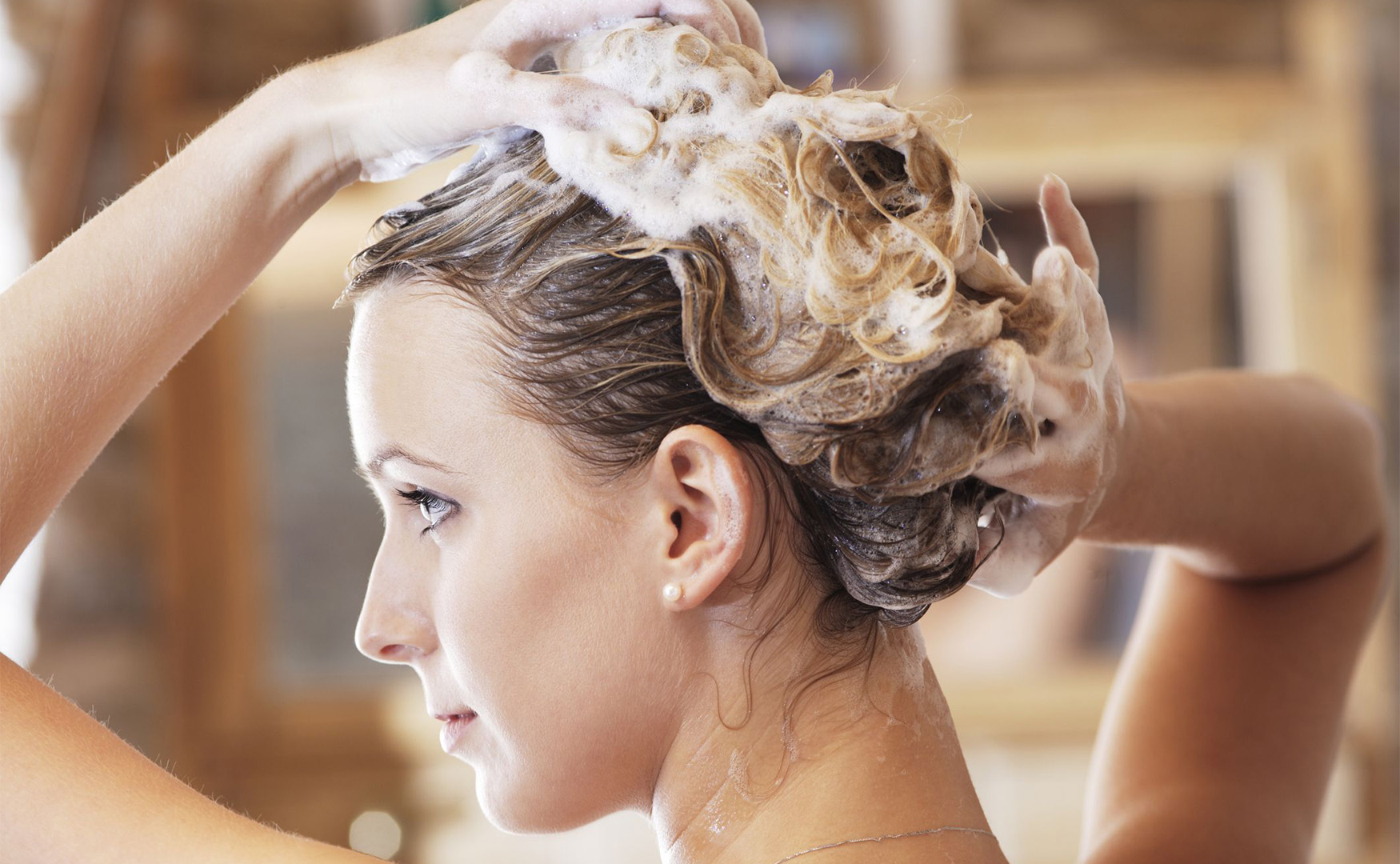
I’m one of those people who washes my hair every day, and I’ve heard it faaaaar too often… “Ooh, shampooing your hair that often is going to damage it!” If you’re also a frequent hair-washer, you can rest assured your hair is going to be just fine.
If… You’re using good shampoo. This myth most likely comes from the experiences of people using harsh, chemical-laden shampoos. Because if you’re lathering your hair in chemicals every day, then yes—your hair is going to get damaged.
But if you’re using high-quality, natural, sulphate-free shampoo, you don’t need to worry. These shampoos clean your hair and scalp, removing dust, debris, and sweat that accumulated between washes. It’s not likely to strip your hair of its natural oils to the point where harm is done.
If you’re worried about stripping the moisture out of your hair, follow up your shampoo with a moisturising conditioner to help keep it soft.

Hair Care Myth #2: Colouring Your Hair Causes Irreparable
Damage
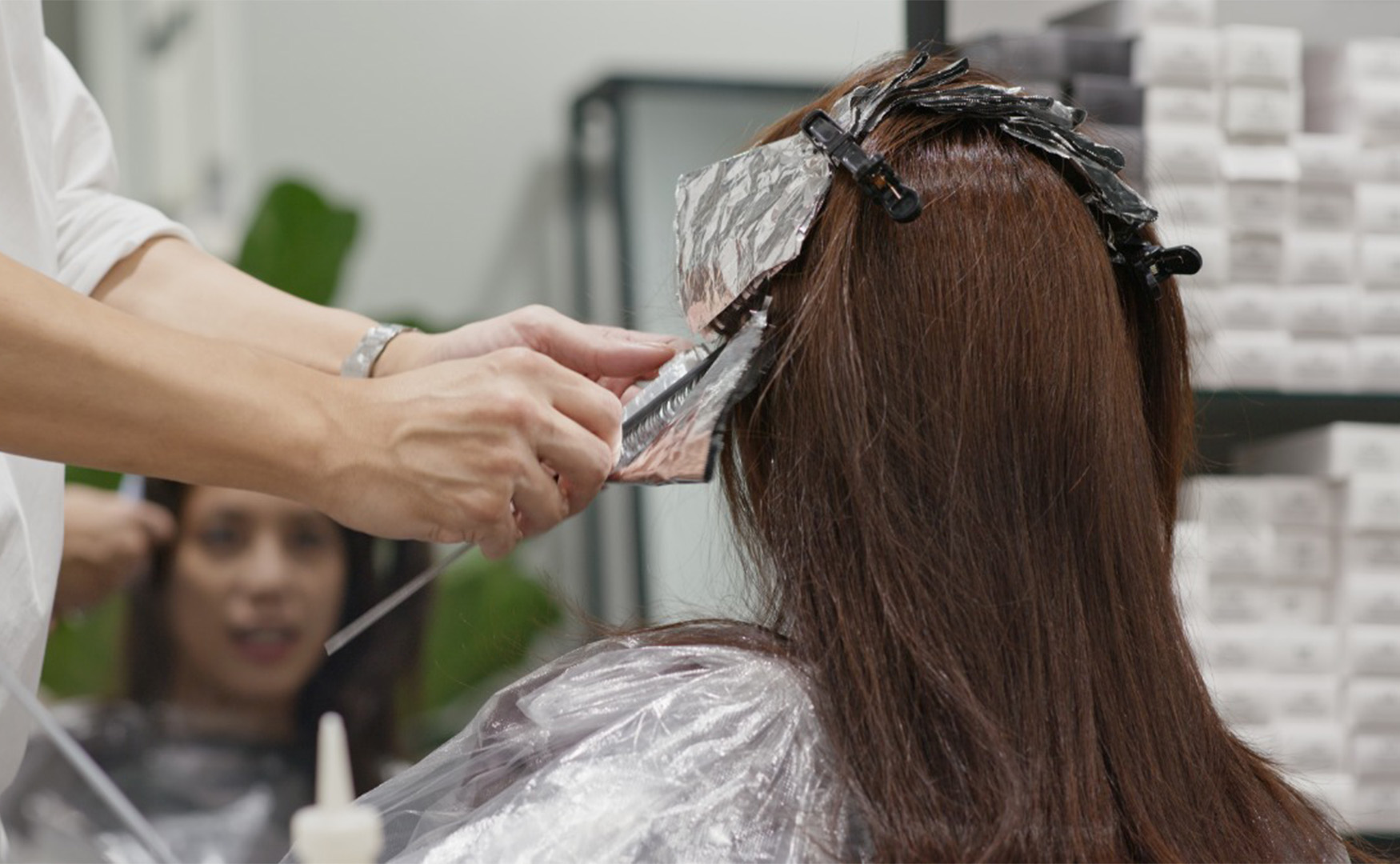
Let’s preface this by saying that if you grab a cheap bottle of hair dye and slap it on in a hurry, then yes… You may be at risk of damaging your hair. Cheap products are often laden with dangerous chemicals that can damage your hair and even the skin on your scalp.
BUT, if you choose the right products and you colour your hair with care, you should be quite okay. Hair- products have come a long way in terms of technology. They’re no longer hair-stripping chemicals; the majority of them are professionally-made formulas designed to go easy on the hair while giving you long-lasting colour.
We highly recommend going to a stylist to get your hair professionally coloured. They’ll be able to apply it properly and maintain your colour with deep moisturising and conditioning treatments.
We also suggest doing a bit of research about the right products. If you have a regular stylist that you trust, ask their advice, but do your own digging too to find something that’s backed by science and plenty of happy customers’ reviews.
Hair Care Myth #3: Cutting Your Hair Makes It Grow Faster
While pruning plants DOES make them grow faster, the same is not true for your hair! This is one of the most common hair care myths and it’s been around for decades.
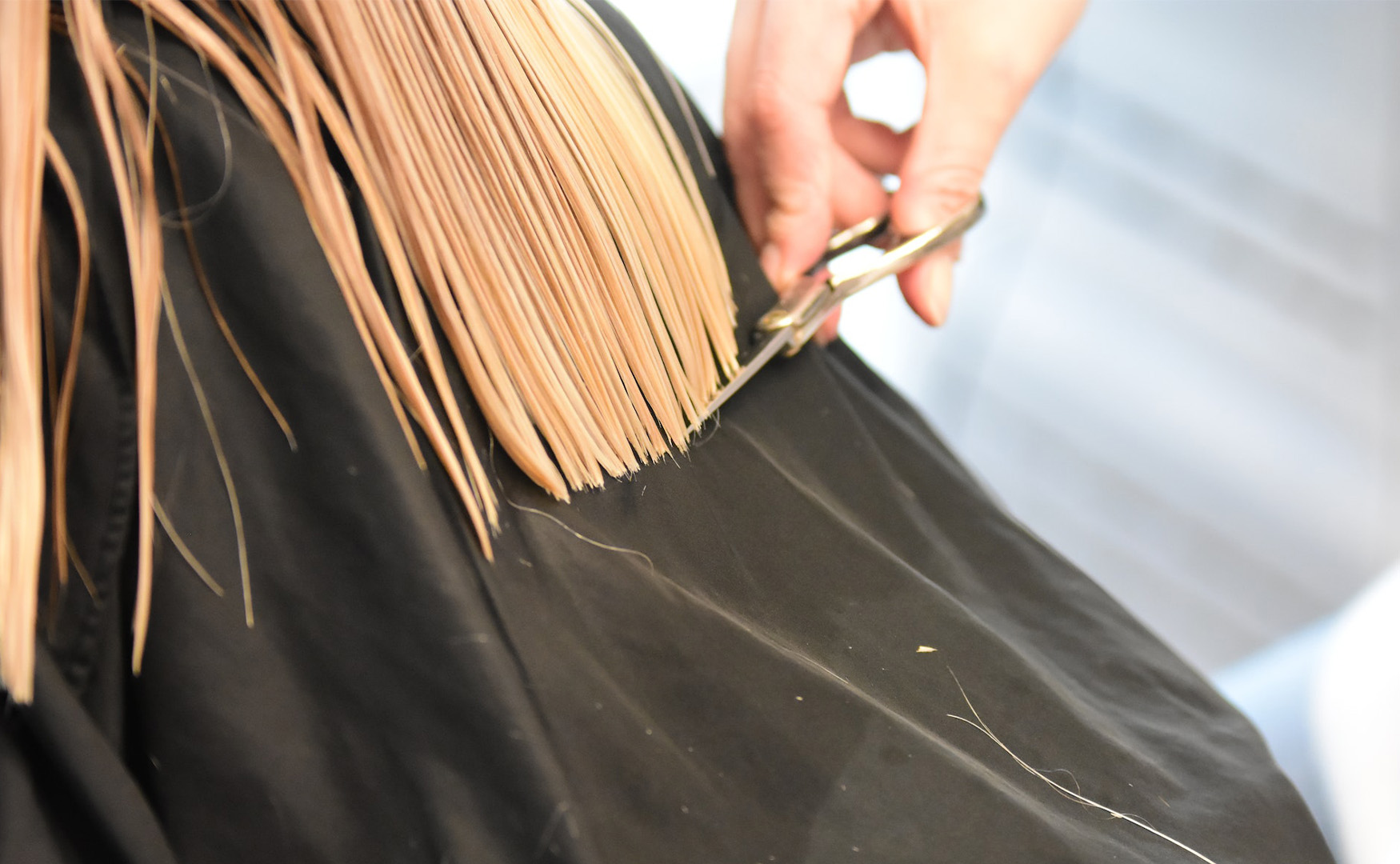
Don’t get us wrong, regular trims are definitely healthy, as they remove damaged ends and help to reduce the chance of your hair breaking. But a haircut won’t make your hair grow faster—hair growth happens at the scalp, not on the ends!
In truth, your hair growth is determined by things like your health, your nutrition, your hormones, and genetics. Interestingly, your hair may actually grow a little faster in summer, as blood circulates through the scalp more readily. It usually slows down in winter, as the body diverts blood flow away from the surface of the skin to the core to warm you up.
Hair Care Myth #4: Regularly Switching Shampoos Prevents
Buildup
Which one are you? Person A has been religiously using the same shampoo for the last decade because they like the way it smells and it makes their hair feel soft. Person B gets bored with their shampoo very easily and chops and changes every month.
If you’re person B, that’s totally okay… As long as you’re not doing it purely to prevent your hair from “getting used to” one particular shampoo and reducing its effectiveness. If this is you, rest assured—switching up shampoos every so often makes NO difference to your hair.
However, you should be aware that your hair can respond differently to the same shampoo if the environment changes. In other words, you may need to switch to different shampoo in colder weather, higher humidity, or when you colour your hair, to better support your hair in these conditions.
You may need to experiment a little with the right products for the right conditions, but once
you’ve found what works, there’s no need to chop and change. And of course, if the shampoo
you’re currently using causes itching, a rash, or makes your hair dry and brittle, then try a few
until you find one that really works for you.
Hair Care Myth #5: Using a Clarifying Shampoo Is Better to
Remove Buildup
Clarifying shampoos are specifically formulated to get rid of excess residue on the scalp or in the hair. But that doesn’t mean you should be using them every day, or even every other day— they’re quite laden with chemical detergents, which makes them effective at removing heavy-duty buildup, but they’re not great for your hair in general.
In most cases, your regular shampoo will easily handle hairspray, hair gel, sweat, and dirt, amongst other things. If your job or your hobbies lead to your hair getting really sticky or dirty, you can use a clarifying product once a week to keep it silky smooth. We recommend instead taking steps to protect your hair from getting gunky!
Hair Care Myth #6: Plucking One Grey Hair Leads to More
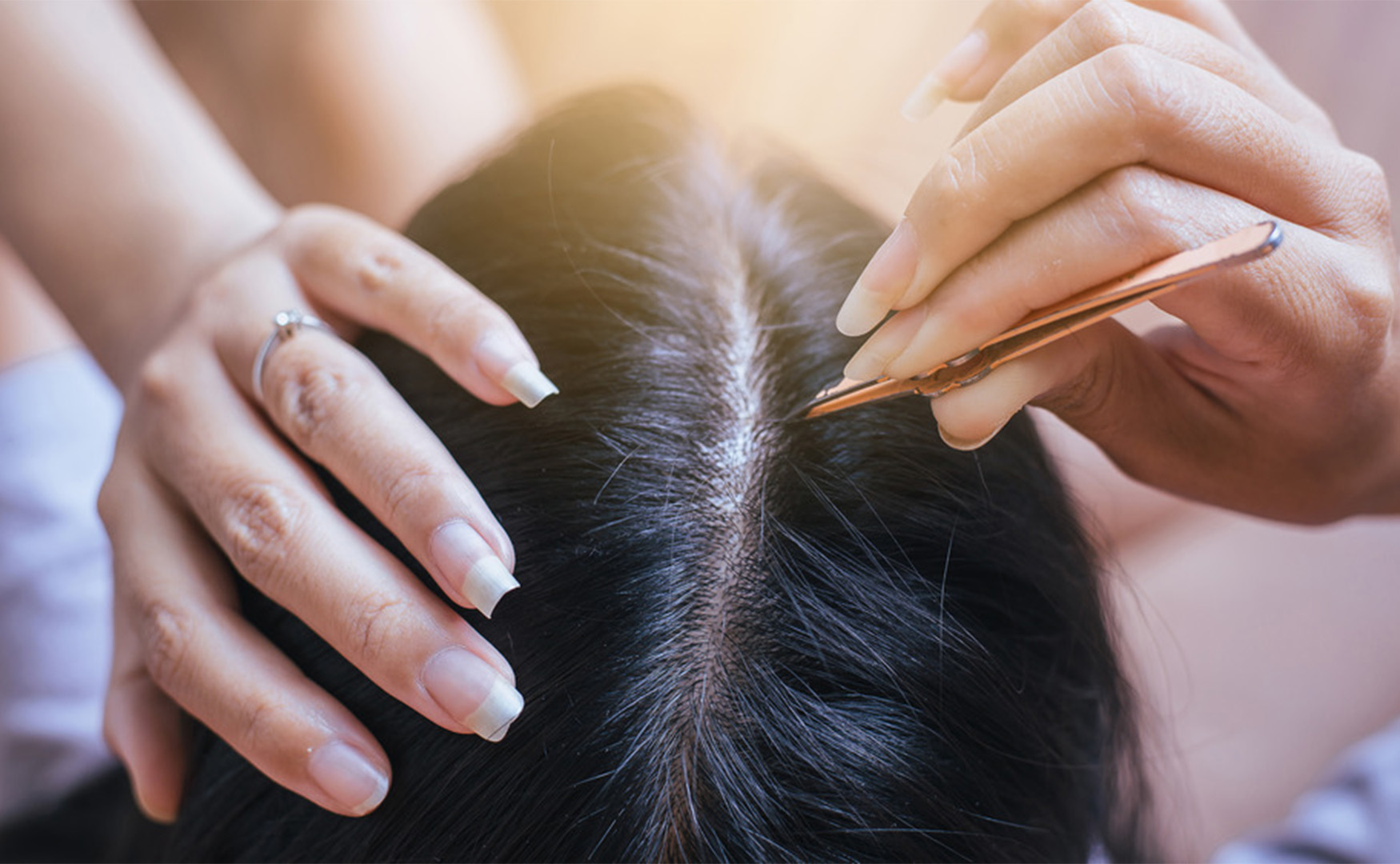
Ah, the hair care myth we all fear as we get older! Good news, ladies and gents—you can pluck all the grey hairs you want, and they won’t come back for revenge. Greying locks are caused by genetics, so there’s not much you can do to stop them from happening.
As we age, the body’s cells stop producing melatonin, which is the compound responsible for the colour in your hair. When your hair follicles begin to run out of melatonin, they start producing “colourless” hair instead—white or grey.
Plucking your grey hairs doesn’t make any difference to the melatonin levels in the hair follicle, or its neighbouring hair follicles. So greying isn’t contagious from follicle to follicle!
But take caution—plucking can disturb other hair follicles, which may weaken the roots of neighbouring hairs. In some cases, it can even cause scarring on that particular follicle, which means hair won’t grow in that spot anymore.
Let your greys grow! You can always colour them if you really don’t want them showing… But avoid plucking if you want to reduce the risk of accidentally thinning out your own hair.

Hair Care Myth #7: Applying Natural Oils Nourishes and Repairs
Hair
Ever heard that applying a natural oil like coconut oil or avocado oil to your hair helps it to retain moisture and grow lusciously? Throw that out the window, because that’s a hair care myth that can actually do a bit of damage to your hair.
The truth is that these kinds of products don’t penetrate the hair shaft deeply enough to actually help with anything. They can help to condition your hair a little, but not noticeably more than a regular conditioner… And they certainly won’t nourish or repair your hair.
Don’t believe the hype that applying oil can help your hair grow faster. On the flip side, these oils can actually be pretty hard to wash out of your hair, which can have the opposite effect and leave your hair looking (and feeling) greasy.
Rather than layering on the cooking oil, if your hair needs some extra moisture, opt for a
shampoo or conditioner with natural oils in it. These have been formulated carefully with
appropriate amounts of oil to give your hair a boost.
Hair Care Myth #8: Keeping Your Hair Healthy and Happy Is Hard
Absolutely not true! These hair care myths might make it seem like caring for your locks is a tough job and can go wrong at any point. The truth? It’s not complicated, you CAN look great without a strict or fancy hair care regime, and you certainly shouldn’t be taking advice that’s not backed by some science.
So, how do you care for your hair? Choose a healthy, natural, sulphate-free shampoo, a chemical-free moisturising conditioner, wash every day or every other day, and consult a stylist if you want to colour your hair.
Aside from that, live life, embrace your greys, and remember—while caring for your hair is important, it shouldn’t be difficult. Get the basics right and you’ll be good to go… And you’ll look great too!
WRITTEN BY
Share This Story
DISCLAIMER: We always aim to credit the original source of every image we include in our content. If you think a credit may be incorrect, please get in touch at marketing@cohorted.co.uk.